What if your degree could shape not just your career, but also your character? Sounds fascinating.
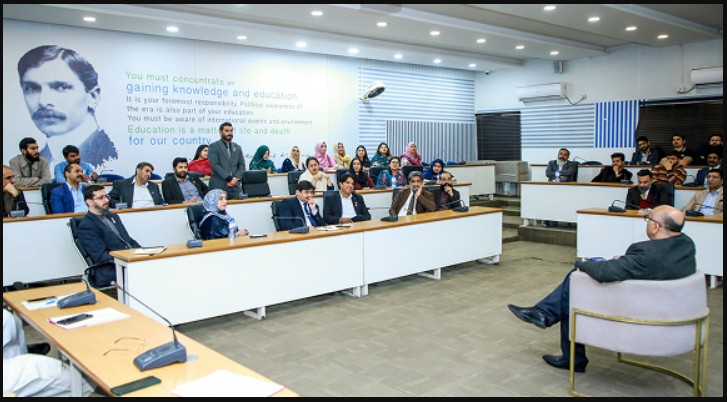
In a world where skills open doors, but VALUES keep them open. In this competitive world, you are judged by your character, not your degree. Therefore, the character has become the true measure of success. As we read, academic knowledge alone isn’t enough. The world has changed, so we have to change with it.
Therefore…
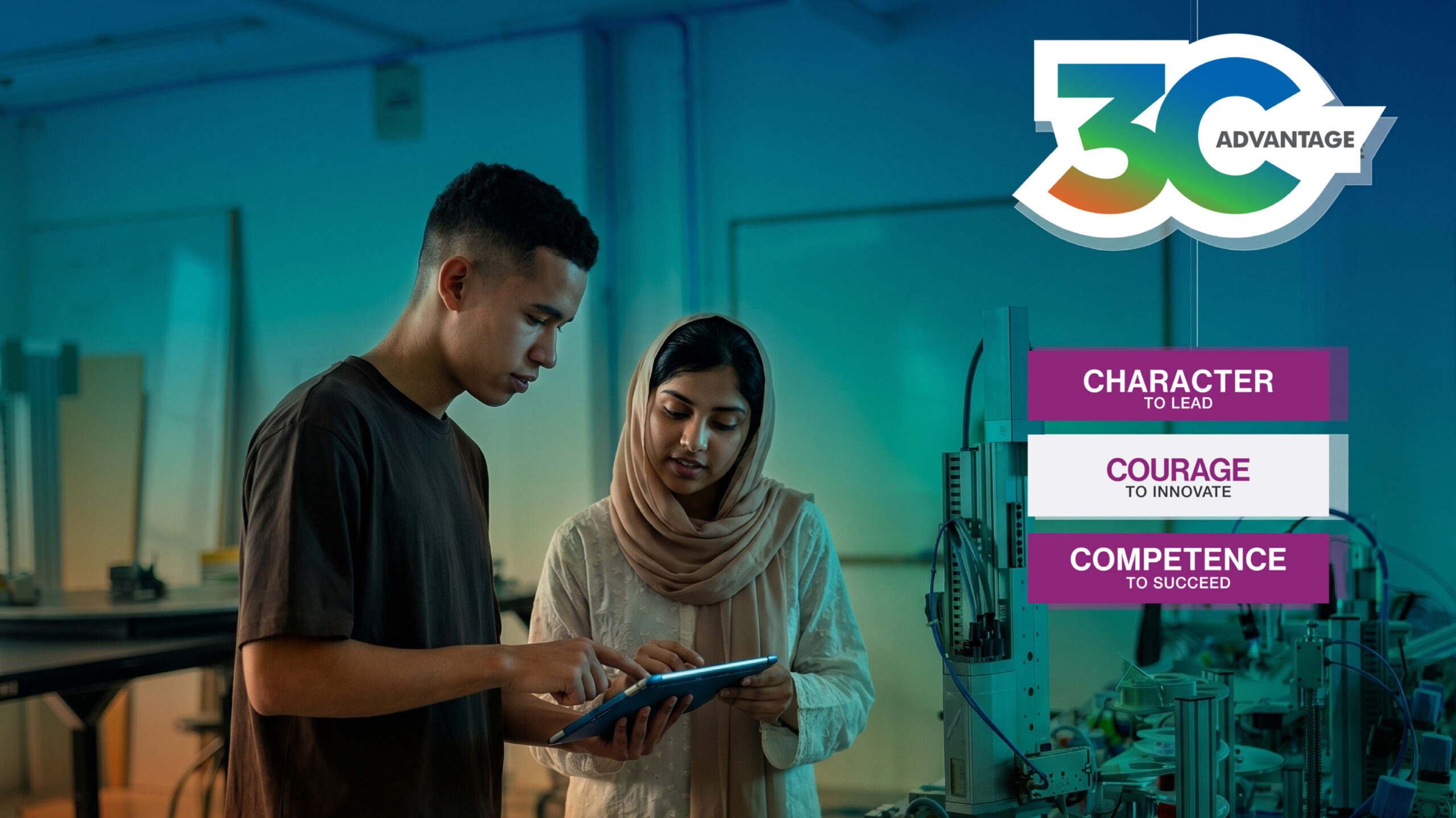
Superior University recognized that Pakistani graduates often face criticism for lacking commitment, honesty, and integrity. To bridge this gap, the university introduced the Leading with Character program. It’s more than a regular course; it’s an integrated framework designed to cultivate strong akhlaq (morality) and kirdar (character) alongside excellence. In fact, the Leading with Character page calls it.
“The key to achieving and sustaining success”
The goal is to qualify students to become visionary leaders with positive values who can excel in their field while making ethical decisions.
Course Objectives and Vision
Superior’s Leading with Character course aims to build a universal character foundation in students. Its core objectives are:
- Promote Key Virtues: The program focuses on developing eight core virtues: Courage, Integrity, Humanity, Justice, Temperance, Transcendence, Wisdom (and Knowledge), and Practical Wisdom. These serve as the pillars of ethical behavior and leadership.
- Develop Ethical Traits: In addition to virtues, the framework nurtures dozens of personal attributes such as honesty, kindness, responsibility, creativity, empathy, and critical reflection. For example, traits like honesty, leadership, persistence, and humility are explicitly listed as targets for growth.
- Bridge Theory and Practice: By integrating Qur’an and Seerah values, the course encourages continuous self-reflection and goal-setting based on core principles. The official mission highlights ongoing “self-reflection, goal-setting based on core principles, and the nurturing of emotional intelligence”. This means students not only learn ethical concepts but also practice them daily.
Superior’s vision for Leading with Character is to cultivate a campus community where “Akhlaq, Kirdar, Kasb-e-Kamal (Morality, Character, Excellence)” guide every action. Graduates are expected to excel academically while upholding “the highest ethical standards,” thereby positively impacting society. In short, the course objective is to create graduates who succeed in their careers and contribute to the public good with integrity.
Course Content and Teaching Methods
The Leading with Character course is delivered through a mix of classroom learning, workshops, and practical activities. It is woven into students’ entire academic journey rather than taught in isolation. Key components include:
- First Year Workshops: During orientation, first-year students attend a “Week of Transformative Learning in Leading with Character.” This intensive program features interactive sessions where students “reflect on their own character traits and explore how these can be nurtured”. Role-playing exercises, discussions, and mentorship form the foundation of this experience. By the end of the week, students gain a moral framework to navigate university challenges with clarity and resilience.
- Values in Core Courses: Character education is embedded in existing subjects. For example, Islamic Studies courses focus on practical applications of faith, discussing real-life dilemmas that teach integrity and empathy. English classes use readings that reinforce the Leading with Character values. Even the “Ideology & Constitution of Pakistan” course examines historical examples of leaders with strong (or weak) character, highlighting honesty and courage as crucial national virtues. The site notes this helps students see how “lack of honesty, courage, and love for learning” affected history and inspires them to become better citizens.
- Ethical Leadership & Entrepreneurship Training: Programs like Social Entrepreneurship (SEP) and the Entrepreneurship Teaching & Training Program (ETTP) now emphasize ethics. The SEP curriculum was revamped to place character at its heart, teaching students to balance business innovation with empathy and responsibility. In ETTP, an “Ethical Business Practices” module ensures students learn to make “integrity-driven decisions”. These components prepare students to face real-world business challenges without compromising values.
- Workplace Ethics Orientation: In the final year, the 3U1M (One Minute, One Million) program includes a workplace ethics orientation. This training introduces key ethical principles before students enter the job market. It equips them to handle complex workplace scenarios (like conflicts of interest or team dynamics) while upholding integrity.
- Character-Building Events and Student Society: Learning is reinforced outside class through regular workshops and talks. Renowned scholars and community leaders are invited to speak on ethics and leadership. There is also a student-run Character-Building Society that organizes service projects, ethical debates, and personal development programs. These activities let students practice virtues like kindness and social responsibility in real situations, under guidance from faculty mentors.
- Prophetic Leadership Course: A highlight is the compulsory “Cultivating Leadership Character” course for all undergraduates. It uses the life of the Holy Prophet (PBUH) as the ultimate leadership model. Through case studies of events from the Prophet’s Seerah, students study how virtues such as honesty, forgiveness, and courage were exemplified in history. They are then invited to reflect on these examples and “map them onto their own lives,” making the lessons deeply personal.
Through this multi-pronged approach, Leading with Character uses experiential learning and real-life scenarios to teach ethics. As Superior’s director explains: “Through a structured curriculum, experiential learning, and national-level collaborations, we equip individuals with the moral foundation to lead with purpose”. Students don’t just read about ethics – they engage in activities that build character day by day.
Key Virtues and Personal Skills
At its heart, the Leading with Character course builds core virtues and personal strengths. Some of the key traits include:
- Integrity, Empathy, and Resilience: The program explicitly aims to instill universal virtues. For example, the official page highlights “integrity, empathy, stewardship, and resilience” as qualities the program cultivates in students and faculty. These prepare students to act with honesty and compassion, even under pressure.
- Courage and Justice: By emphasizing courage and a sense of justice, the course encourages students to stand up for what is right. Whether leading a project or confronting ethical dilemmas, graduates are taught to be brave and fair.
- Wisdom and Practical Wisdom: Critical thinking and decision-making are core aspects. The framework lists attributes like critical reflection, judgment, and decision-making as targets. This equips students to analyze problems wisely and choose the best course of action.
- Curiosity and Love of Learning: Traits like curiosity, creativity, and love of learning ensure students remain open-minded and innovative. The course encourages questioning assumptions and seeking knowledge in the service of ethical goals.
- Humility, Kindness, and Social Intelligence: Personal qualities are also highlighted. Such as humility, gratitude, and social intelligence. Activities in the course help students become more understanding leaders and cooperative team members.
In practice, this means a Leading with Character student develops a balanced skill set. For instance, they learn to communicate honestly, persevere through setbacks, and lead with compassion. By the time they graduate, they have not only technical expertise in their field but also inner strengths like humility and accountability to use that expertise responsibly.
Preparing for Real-World Challenges
Leading with Character is explicitly designed to help students face practical life challenges. In campus life and beyond, graduates often encounter ethical dilemmas and pressures. Superior’s program prepares them to handle these situations:
- Academic and Career Integrity: From day one, students practice making ethical choices. As the site notes, the freshman character workshops give students a framework for “navigating academic challenges and personal growth with moral clarity and resilience”. This means when they face tough group projects, exam stress, or research ethics questions, they have a clear moral compass to guide them.
- Leadership Under Pressure: Through case studies and role-play, students train to lead teams fairly. For example, discussing historical crises in Pakistan’s history shows how good or bad character traits affected leaders. Students learn that strong leadership requires honesty and courage even in crises.
- Ethical Decision-Making in Business: By the time students join the workforce or start businesses, they have already practiced integrity-driven decision-making. The entrepreneurship and business ethics modules teach them to consider the social impact of their ventures. They learn to balance profit with principles, for instance, choosing fair labor practices over cheaper but unfair alternatives.
- Workplace Ethics: The final-year orientation explicitly covers real workplace scenarios. Students learn how to deal with conflicts of interest, teamwork issues, and corporate culture while maintaining trustworthiness.
- Community Leadership: Above all, Superior emphasizes that graduates should “not only excel in their fields but also uphold the highest ethical standards”. This means Leading with Character course students graduate ready to be conscientious citizens. They are more likely to serve their community, stand against corruption, and lead organizations with a sense of social responsibility.
In essence, the Leading with Character course doesn’t just talk about values; it practices them. By the time students graduate, they have lived through workshops, courses, and projects that simulate real-life challenges. This practical training ensures they leave university as ethical leaders who can handle any situation with integrity.
Encouraging Self-Reflection and Core Values
A central part of Leading with Character is self-reflection. Students are regularly encouraged to examine their own beliefs and behaviors:
- Reflective Workshops: Many activities explicitly invite students to think about their values. For example, interactive sessions ask students to consider questions like “Which character strengths do I excel at?” and “Where do I need improvement?” By setting personal goals, students learn to monitor their growth.
- Prophetic Role Models: In the leadership course, studying the Prophet’s life prompts deep reflection. Students analyze how he dealt with challenges through patience, wisdom, and kindness. They then “map [these examples] onto their own lives”. This connection between historical role models and personal goals helps them internalize the values.
- Ongoing Growth Mindset: The official values stress that character development is a continuous journey. As one statement puts it, striving for excellence involves “ongoing self-reflection, goal-setting based on core principles, and the nurturing of emotional intelligence”. Students are taught to see setbacks as learning opportunities and to realign their actions with their principles consistently.
Through assignments, journaling, and guided discussions, the course helps students build self-awareness. Over time, they gain a clearer understanding of their own personal values and how those values guide choices. This introspection is key to forming a stable identity: a student learns not just what society values, but why they personally believe in honesty, kindness, or perseverance. In short, Leading with Character encourages every student to become a reflective, value-driven individual.
Take the Next Step with Leading with Character
Superior University’s Leading with Character course is a unique blend of ethics and education. It equips Pakistani students with the virtues and self-awareness needed to thrive both in their careers and communities. As the Director of CAKCCIS notes, “character is the key to sustaining success”.
If you’re a student or parent looking to strengthen character alongside academics, explore the official Leading with Character resources at Superior. Engage in workshops, join the Character-Building Society, and enroll in leadership modules. Your personal and professional life will benefit immensely. To learn more, visit Superior University’s Leading with Character page and start your journey of self-development and values-driven leadership today.