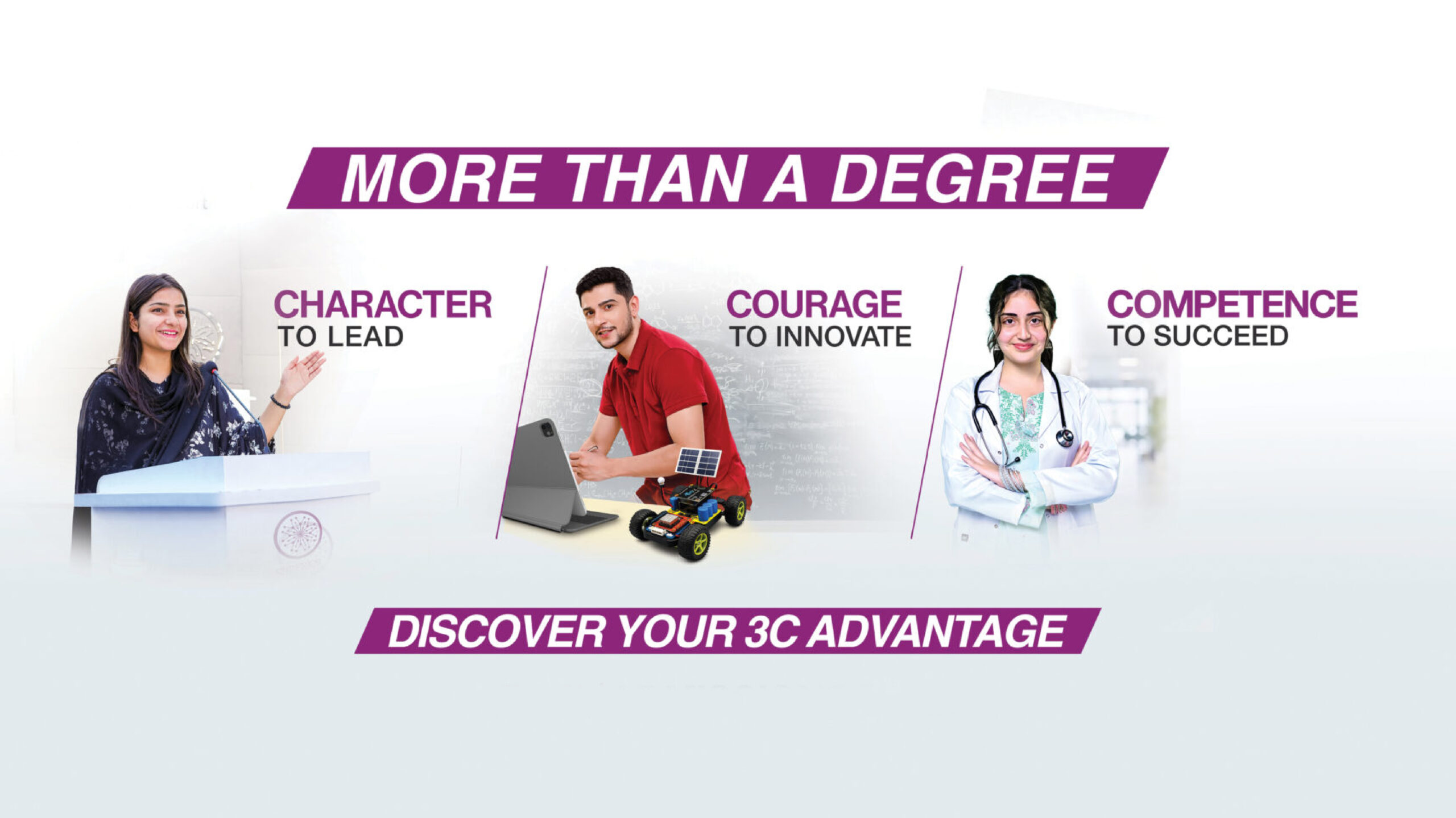
In a world where traditional education often prioritizes degrees over direction, the 3C Advantage Model emerges as a transformative framework designed to bridge the gap between academic theory and real-world impact. The essence of this model lies in shifting the focus from simply producing graduates to developing individuals who are purpose-driven, confident, and capable. It recognizes that today’s biggest challenge is not a lack of certifications, but a deficit in direction and real-world skills. By focusing on three core pillars; Character, Courage, and Competence. This model ensures that students don’t just earn a degree, but become leaders who create real impact.
The first pillar, Character, defines who an individual is at their core. In the traditional system, we often see a focus on producing degree holders, but the 3C model strives for purpose-driven individuals. Character is built through clarity of purpose, integrity, and leadership based on ethics. It involves deep reflection, self-discovery, and engagement in projects that demand accountability. When a student develops a strong character, they move beyond being mere job seekers; they become individuals with a moral compass that guides their professional and personal decisions, ensuring their success is rooted in values like excellence and compassion.
The second pillar is Courage, which represents what an individual dares to do. While conventional education often produces risk-averse graduates, the 3C model fosters risk-takers and innovators. Courage is about having an innovation mindset and the willingness to tackle complex problems. This is cultivated through entrepreneurial training programs, startup culture, and real-world problem-solving challenges. By encouraging students to step out of their comfort zones, the model transforms them into problem solvers who are not afraid of failure but see it as a stepping stone toward impact. It is this courage that allows a graduate to transition from a theory-heavy mindset to a proactive, solution-oriented approach.
The final pillar, Competence, focuses on what an individual can actually do. The 3C model emphasizes technical skills, industry readiness, and professional excellence over rote memorization. Through outcome-based teaching and market experience, students become skilled, market-ready professionals. This competence ensures that they are not just memorizing facts but are capable of applying knowledge to achieve tangible results. The journey from belief to impact is a powerful pathway: it starts with a foundational belief, builds through the development of character and courage, and is solidified by competence, ultimately resulting in a significant contribution to society.
The final outcome of the 3C Advantage Model is a profound transformation. Students do not just graduate; they become job creators rather than job seekers, problem solvers rather than memorizers, and leaders rather than followers. By embedding core values such as integrity, responsibility to the environment, and excellence into every action, the model ensures that success is not just about personal gain but about creating a lasting legacy. It is a comprehensive journey that turns the potential of a student into the power of a leader who can truly change the world.
Dr. Mohib Raza
Manager Education
CAKCCIS